
Skin Longevity Starts at the Cellular Level
Skin longevity starts beneath the surface.
Your skin is one of the most visible expressions of ageing. But the changes we see on the surface are influenced by biological processes happening much deeper, inside our cells.
Understanding these processes changes how we think about skin ageing. Not simply correcting the signs of ageing, but taking a more proactive approach to maintaining skin health and function over time.

The two layers
Your skin tells two stories.
Skin is the body's largest organ, built in two main layers. The epidermis depends on the dermis for oxygen and nutrients, so what happens inside the body reaches the skin from below.

The epidermis
Today
The outer layer of your skin. It renews approximately every 4 weeks, influencing the texture, hydration and glow you see today.
No blood vessels.
The dermis
History
The deeper support structure. Rich in blood vessels, collagen and elastin, it changes more slowly and reflects years of cellular activity and accumulated damage.
Connected to the body's circulation.
The biology of skin ageing
Ageing Happens Beneath the Surface
Our skin is constantly renewing, repairing and protecting itself. These processes depend on the health and function of billions of cells.
As we age, the balance begins to change. Cellular energy metabolism and maintenance processes can become less efficient. Chronic inflammation and senescent cells can accumulate. And the skin gradually loses some of its ability to maintain collagen and other structural components.
These changes are part of the same biological processes that influence ageing throughout our bodies.
Skin doesn't age separately from the rest of us.

How skin ages
Understanding the Cells Behind Your Skin
Even when we eat well, exercise regularly and get enough sleep, our cells undergo biological changes as we age. Cellular energy, repair, inflammation and senescence all influence how our bodies function over time, including our skin.
While we can't stop ageing, we can take proactive steps to support cellular health.
01NAD+ Cellular Energy Our cells need energy to function and maintain healthy tissue. Explore the science
Skin cells need energy to maintain their structure.
In our body
Every cell needs energy to function. NAD+ is an essential molecule involved in cellular energy metabolism and maintenance, and changes in NAD+ availability are being studied in relation to ageing.
In our skin
Fibroblasts depend on healthy cellular metabolism to produce collagen and maintain the skin's structure. Renewal, repair and collagen production all need energy. As it declines, these processes can slow.
02Autophagy Cellular Repair Our natural repair system slows down as we age. Explore the science
Skin's cellular maintenance slows with age.
In our body
Our cells have internal housekeeping systems that identify and recycle damaged components. One of these is called autophagy. As it becomes less efficient with age, damaged proteins and organelles can build up.
In our skin
Slower repair and collagen maintenance can reduce firmness, elasticity and resilience.
03Inflammaging Inflammation Persistent low-grade inflammation, known as inflammaging, can contribute to tissue ageing. Explore the science
Chronic inflammation can wear down skin structure.
In our body
Inflammation is essential for protection and healing. But persistent, low-grade inflammation, known as inflammaging, is associated with ageing and can contribute to tissue deterioration.
In our skin
This chronic inflammatory environment can contribute to the degradation of collagen and other structural components.
04Senescent Cells Cellular Senescence As we age, dysfunctional senescent cells are cleared less efficiently and can disrupt the tissue around them. Explore the science
Senescent cells can disrupt healthy skin tissue.
In our body
Some cells stop dividing in response to damage or stress but stay active, sending signals that can fuel chronic inflammation.
In our skin
Senescent cells can disrupt nearby tissue, contributing to collagen breakdown and changes in skin structure and resilience.
These processes don't happen only in our skin. They are part of the wider biology of ageing throughout the body.
A proactive approach
From Treating the Signs to Supporting Skin Health
Healthy skin is about more than appearance. Professional treatments play an important role, but skin health isn't limited to what happens during a treatment.
Sun protection, targeted skincare and professional treatments such as microneedling and laser.
Nutrition, healthy lifestyle habits and cellular metabolism, which help maintain normal skin structure and function.
A treatment is a moment. Skin health is what happens in the weeks, months and years between treatments.
Planning a treatment? Read our microneedling recovery guide →

The Cellaro approach
One System. Four Dimensions of Cellular Health.
Four formulas, each built around a different aspect of cellular health. Tap a product to learn more.


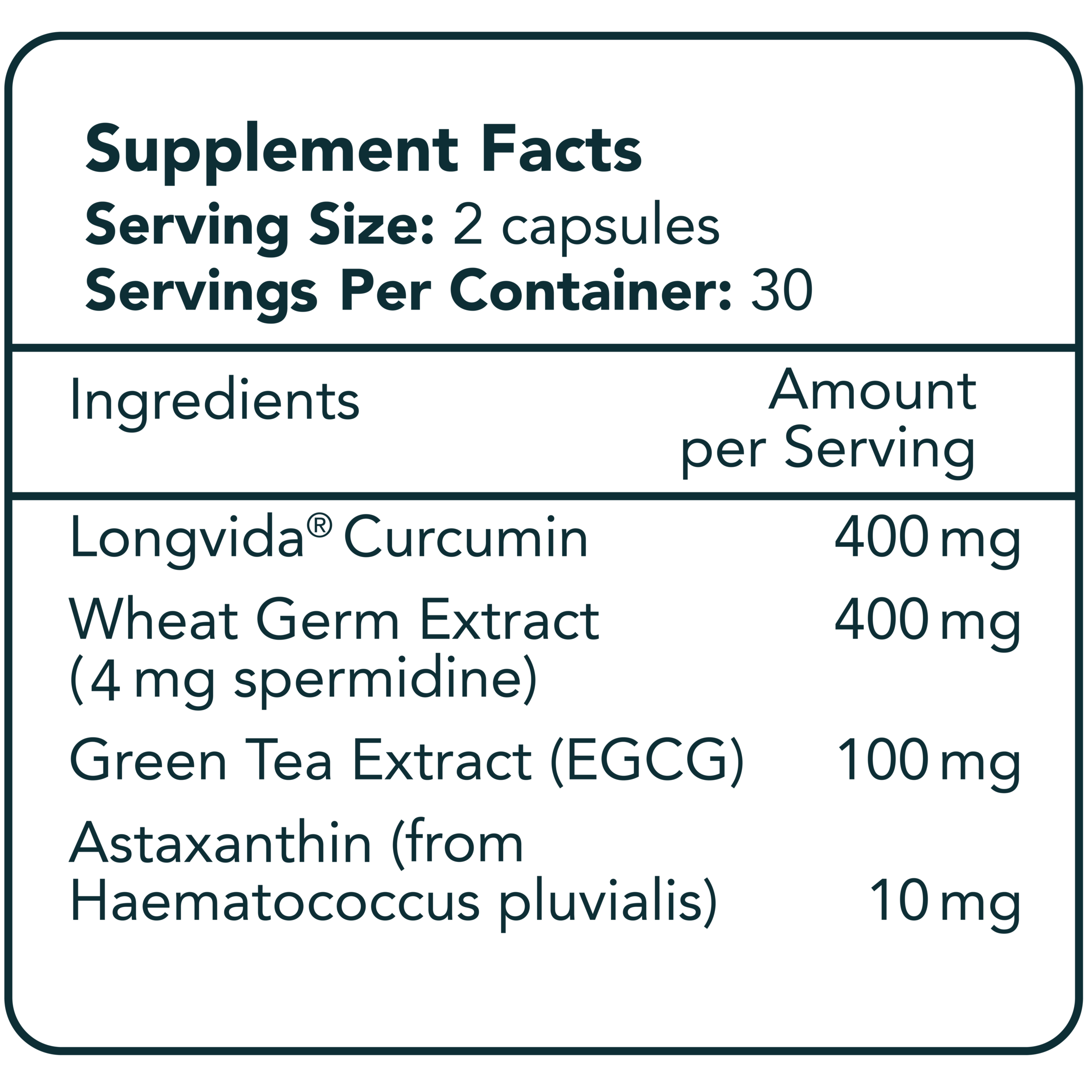


Get started
Great skin tomorrow starts with how you care for your cells today.
Don't just treat the signs of ageing. Support the skin's ability to age well.
Skin longevity starts with cellular health. Whether you're looking to support your cells throughout the body or give your skin more targeted nutritional support, Cellaro makes it simple to get started.

CORE · VITALIZE + RENEW + RESET
The Foundation of Cellular Health
Support your skin from within by supporting the cells throughout your body. CORE combines three complementary formulas designed to support cellular energy, renewal and healthy ageing.
Explore CORE
BOOST
Targeted Skin Nutrition
Add skin-focused nutritional support to your existing routine.
Explore BOOSTSkin longevity hub
Go Deeper Into Skin Longevity
All skin articles →
How Skin Structure Changes With Age Starting in Your 30s
Skin changes in our mid-30s and beyond are not just surface deep. The biggest shifts in firmness, hydration, elasticity, and radiance happen...
Read article →
Skin Repair 101 — How Your Nightly Biology Shapes Visible Aging
Skin doesn’t age in isolation. Fine lines, texture changes, and “tired” tone reflect how well your body manages repair.
Read article →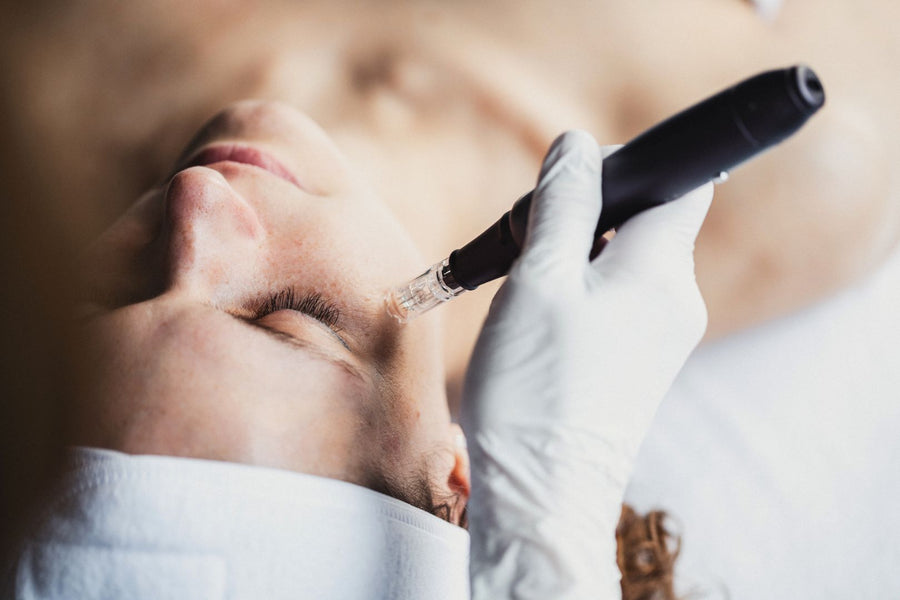
How Microneedling Builds Collagen: What Shapes Your Results
How microneedling triggers collagen production in the dermis, and what determines whether your results are strong or limited.
Read article →More skin articles
- Collagen 101: Where Skin Firmness, Elasticity, and Hydration Come From
- Lasting Skin Hydration: Strengthen Your Barrier with Ceramides + Hyaluronic Acid
- BOOST vs. Collagen Powders - Supporting Skin From the Inside Out
- Inflammaging— How quiet inflammation accelerates aging
- What Are Senescent Cells? And Why They Matter As We Age.
Questions
Skin Longevity FAQ
What is skin longevity?
Skin longevity is an approach to skin health that focuses on how well the skin functions over time, not only how it looks today. It looks at the cellular processes behind skin ageing and how to support them from the outside and from within.
What is the difference between anti-ageing and skin longevity?
Anti-ageing usually focuses on correcting visible signs such as wrinkles. Skin longevity takes a more proactive approach, supporting the skin's structure, barrier and capacity for renewal before changes become visible.
Why does skin lose firmness with age?
Firmness comes from collagen and elastin in the dermis. Over time, an imbalance between building and breakdown, influenced by cellular energy, maintenance, inflammation and senescence, contributes to loss of firmness and wrinkles.
Why does what happens inside the body matter for skin?
The dermis is connected to the body's circulation through blood vessels. The epidermis has none of its own and depends on the dermis for oxygen and nutrients, so what happens inside the body reaches the skin from below.
Is a collagen supplement enough for my skin?
Collagen in the dermis is made by your own fibroblasts. Collagen powders provide building blocks, but skin structure also depends on cellular energy, maintenance and the signals around those cells. BOOST takes a broader approach, with SkinAx²™, REGGENERATE™, hyaluronic acid and ceramides. BOOST vs. collagen powders
How can I support my skin after microneedling?
Collagen remodelling continues for weeks to months after a treatment. Sun protection, gentle skincare, sleep and nutrition all matter during this window. Read our microneedling recovery guide for a week-by-week approach. Microneedling recovery guide
How can I strengthen my skin barrier?
Cleanse gently, use moisturisers with ceramides, wear daily sun protection and avoid over-exfoliating. From within, ceramides and hyaluronic acid are among the nutrients studied in relation to skin hydration.
Do supplements replace skincare or professional treatments?
No. Food supplements are not a substitute for a varied diet, a healthy lifestyle, sun protection or professional skincare. They are designed to complement them.
Food supplements are not a substitute for a varied diet and a healthy lifestyle.